
Company Law / Fundraising
Private Placement by a Private Limited Company: Step-by-Step Guide for Equity Shares, Preference Shares and Debentures (2026)
Reviewed by CA Neeraj Rohilla, FCA — Chartered Accountant, Startup Advisory, Saket, New Delhi.
- What a private placement is
- Laws, rules and forms that apply
- Equity, preference shares or debentures: what changes
- Pre-readiness: get these right first
- Documents checklist
- Step-by-step procedure
- Sample timeline
- Extra steps for a foreign investor
- Post-allotment compliances
- Points to keep in mind
- Penalties for getting it wrong
- Common mistakes we see
Most private limited companies raise their first outside money from an angel, a strategic investor, a family office or a lender who wants debentures. Every one of those deals, unless it is a rights issue to existing shareholders or an ESOP, is a private placement, and the procedure is strict: miss one step and the company can face a penalty of up to ₹2 crore and an order to refund the money with interest. This guide walks through the whole process for equity shares, preference shares and debentures, in the order we follow on client files. We read every section and rule quoted below on the MCA Acts and Rules e-books on 13 November 2026, and the FEMA points on the RBI Master Direction on Foreign Investment (updated up to 15 June 2026).
1. What a private placement is
Explanation I to Section 42 defines a private placement as an offer or invitation to subscribe to securities, or an issue of securities, to a select group of persons by a company, other than by way of public offer, through a private placement offer-cum-application that meets the conditions of Section 42. The people must be “identified persons”: named by the Board, with their names and addresses recorded before the offer goes out.
Rule 14(2) prescribes the higher number: 200 persons in aggregate in a financial year, counted separately for each kind of security (equity shares, preference shares, debentures). Qualified institutional buyers and employees offered shares under an ESOP scheme are not counted. If the company offers to, or allots to, more people than that, the issue is deemed a public offer under Explanation III and Section 42(11), with all the consequences of the Act, the SCRA and the SEBI Act.
For a private limited company, there is a second, separate cap: Section 2(68) limits the number of members of a private company to 200 (with exclusions for employee members). A placement that is within the Section 42 count can still break the company’s own member limit, so check both.
Private placement is different from the other ways a company issues shares:
| Route | Who can subscribe | Main law | When to use it |
|---|---|---|---|
| Rights issue | Existing equity shareholders, in proportion to holding | s.62(1)(a) | Money from existing shareholders only |
| ESOP | Employees | s.62(1)(b) | Employee incentives |
| Preferential allotment / private placement | Any identified persons, whether or not existing shareholders | s.62(1)(c) + s.42; Rule 13 and Rule 14 | Angel, VC, strategic or promoter money; preference shares; debentures |
| Public offer | The public | Part I of Chapter III | Not open to a private company |
A fresh issue of equity or convertible securities to new investors therefore has to satisfy both Section 62(1)(c) with Rule 13 of the Companies (Share Capital and Debentures) Rules, 2014 (the “preferential offer” rules), and Section 42 with Rule 14 (the “private placement” procedure). Rule 13(1) says so in terms: a preferential issue “should also comply with conditions laid down in section 42”.
2. Laws, rules and forms that apply
| Provision | What it governs |
|---|---|
| Section 42, Companies Act, 2013 | The private placement procedure: identified persons, offer letter, banking channel payment, separate bank account, 60-day allotment, refund with 12% interest, no advertising, PAS-3 within 15 days, penalties |
| Rule 14, Companies (Prospectus and Allotment of Securities) Rules, 2014 | Special resolution for each offer, explanatory statement disclosures, 200-person limit, Form PAS-4 offer letter, Form PAS-5 record, payment from the subscriber’s own account, Form PAS-3, filing of resolutions before the offer, land-border investors |
| Section 62(1)(c) and Rule 13, Companies (Share Capital and Debentures) Rules, 2014 | Preferential issue of shares and convertible securities: articles, special resolution, disclosures, registered valuer price, allotment within 12 months of the resolution |
| Section 55 and Rule 9 | Preference shares: no irredeemable shares, redemption within 20 years, special resolution, no subsisting default, terms to be stated in the resolution |
| Section 71 and Rule 18 | Debentures: no voting rights, special resolution for convertible debentures, security, debenture trustee, trust deed, debenture redemption reserve |
| Sections 61 and 64 | Increase in authorised capital and Form SH-7 within 30 days |
| Sections 117 and 179(3)(c) | Board power to issue securities and Form MGT-14 within 30 days |
| Section 56(4) and Rule 9B (PAS Rules) | Share certificates within two months of allotment; demat issue for private companies that are not small companies |
| Section 77 | Registering the charge for secured debentures within 30 days |
| Rule 2(1)(c)(vii), Companies (Acceptance of Deposits) Rules, 2014 | Application money not allotted or refunded in time becomes a deposit |
| FEMA, Non-debt Instruments Rules, 2019 and the RBI Master Direction on Foreign Investment | Pricing, 60-day issue rule and reporting (Form FC-GPR) when an investor is a person resident outside India; Government route for land-border countries |
The forms you will file or prepare: MGT-14 (resolutions), SH-7 (if authorised capital goes up), PAS-4 (offer letter, sent to investors), PAS-5 (record of offers, kept by the company), PAS-3 (return of allotment), SH-1 (share certificates, where physical), CHG-9 (charge for secured debentures) and FC-GPR (foreign investment).
3. Equity, preference shares or debentures: what changes
The Section 42 and Rule 14 procedure is the same for all three. What sits on top of it is different:
| Point | Equity shares | Preference shares | Debentures |
|---|---|---|---|
| Approval | Special resolution (s.62(1)(c), Rule 13 and Rule 14) | Special resolution (Rule 9 and Rule 14); articles must allow preference shares | Non-convertible within the s.180(1)(c) borrowing limit: board resolution is enough. Above the limit: one special resolution a year. Convertible: special resolution in general meeting (s.71(1)) |
| Valuation | Registered valuer report; price not lower than it (Rule 13) | Registered valuer for convertible preference shares (Rule 13 covers securities convertible into equity); state the basis of price for others | Registered valuer for convertible debentures; for non-convertible, disclose the basis of the price and coupon |
| Special terms | Rights as per articles and term sheet | No irredeemable shares; redeem within 20 years (longer only for infrastructure projects); redeem only out of distributable profits or a fresh issue, and only when fully paid (s.55) | No voting rights (s.71(2)); secured debentures max 10 years (30 years for some classes), secured by a charge of sufficient value (Rule 18(1)) |
| Extra documents | Valuation report | Resolution must state priority on dividend and capital, participation in surplus, cumulative or not, conversion and redemption terms (Rule 9(2)) | For secured debentures: debenture trustee consent, trust deed within 60 days of allotment, charge filing (Rule 18; s.77) |
| Ongoing | Register of members | Redemption on time; SH-7 when redeemed (s.64(1)(c)) | Debenture redemption reserve of 10% of outstanding debentures and 15% of debentures maturing next year invested by 30 April, for unlisted companies other than NBFCs and HFCs (Rule 18(7)) |
Compulsorily convertible preference shares (CCPS) and compulsorily convertible debentures (CCDs), the usual instruments in a venture round, are treated as convertible securities: Rule 13(2)(h) lets the company fix the conversion price either upfront, on a valuation at the time of offer, or at the time of conversion, on a valuation dated not earlier than 60 days before the holder becomes entitled to apply for shares. The company must choose one method when it makes the offer and disclose it.
4. Pre-readiness: get these right first
Most private placement problems start before the board meeting. Check these first:
- Articles of association. Rule 13(2)(a) needs the issue to be authorised by the articles, and Section 55 and Rule 9 need the articles to allow preference shares. Check for pre-emption rights, investor consent rights (affirmative votes) and the 200-member restriction in the articles. Amend the articles by special resolution first if needed.
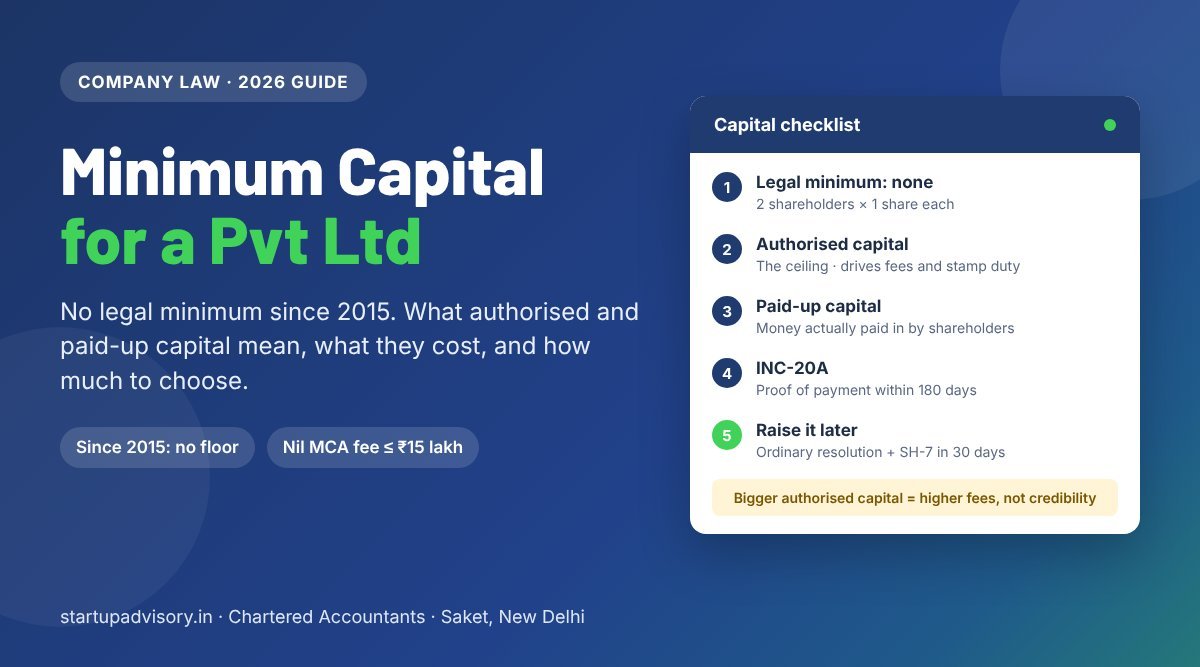
- Authorised capital. Paid-up capital after the issue, plus any conversion of CCPS or CCDs, must fit within authorised capital. If not, increase it under Section 61 by resolution in general meeting and file Form SH-7 within 30 days (s.64).
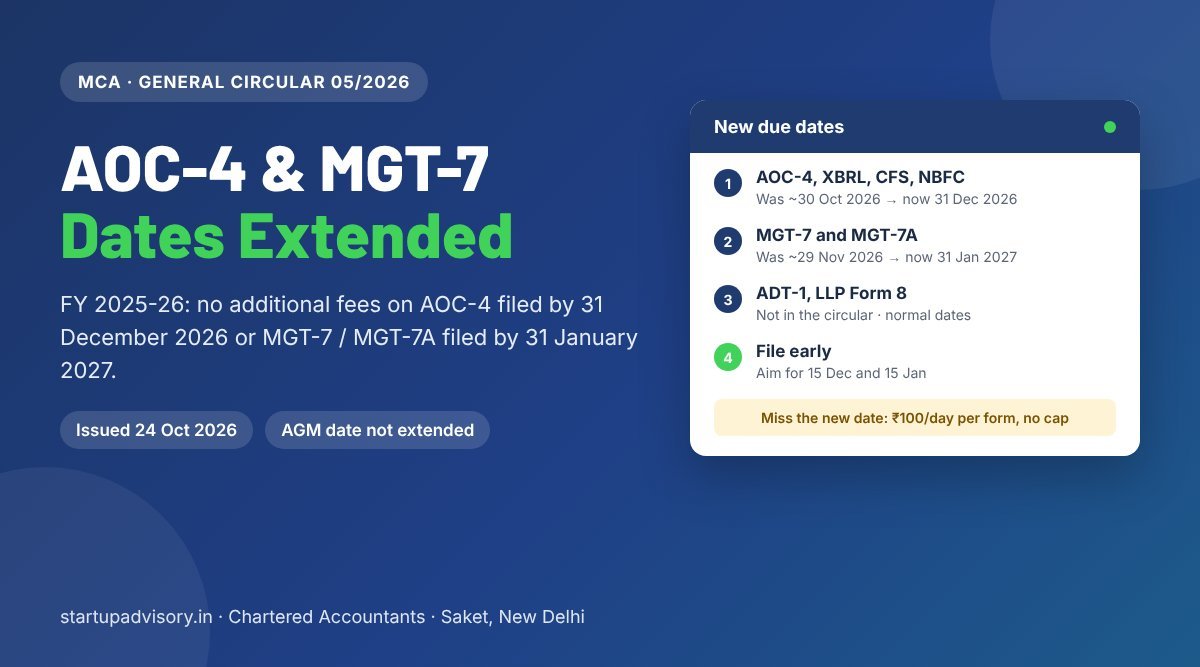
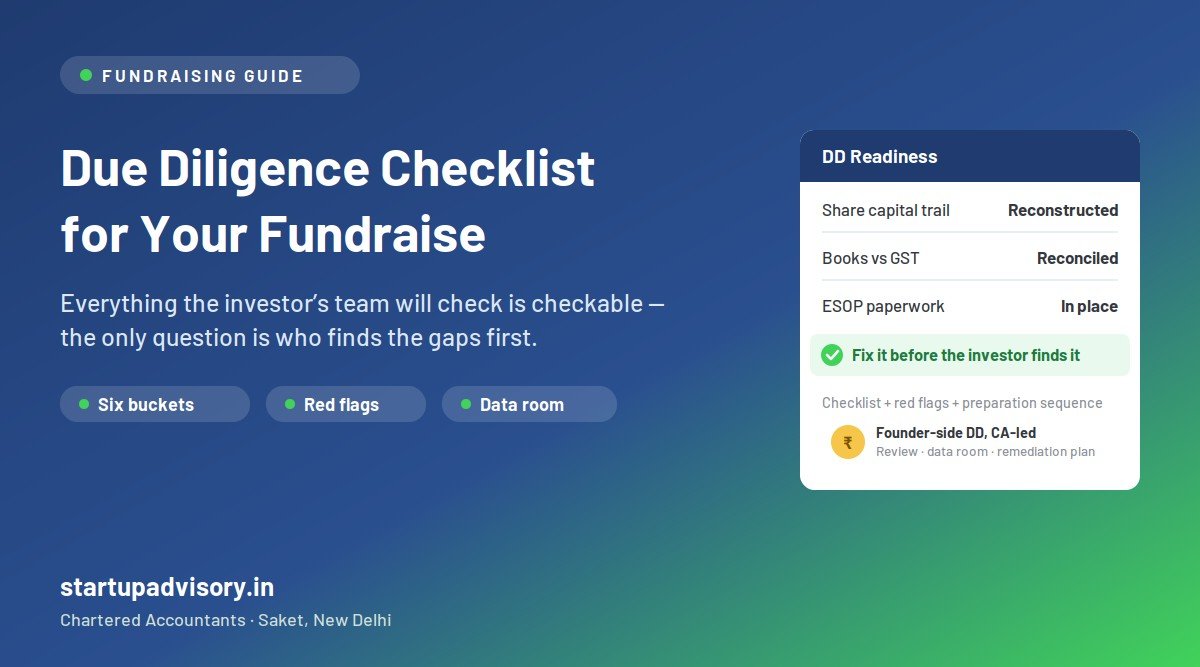
- Filing record. Bring overdue AOC-4, MGT-7 and DIR-3 KYC filings up to date. The MCA portal and most investors’ due diligence will stop you otherwise. Our fundraising due diligence checklist lists what investors check.
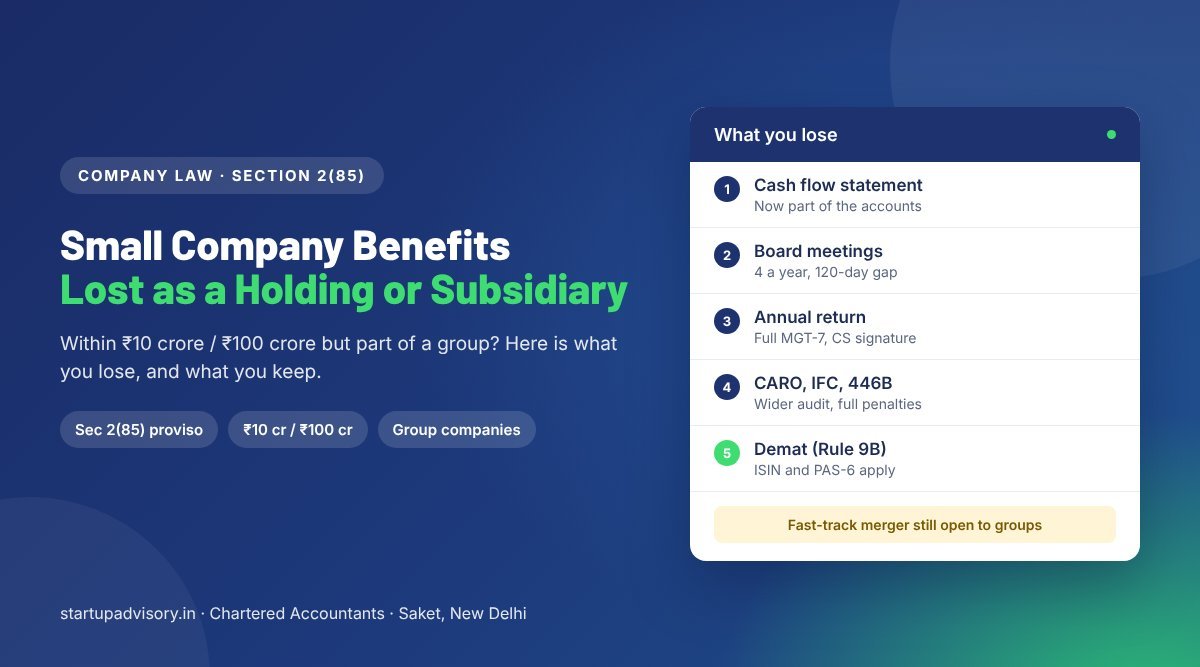
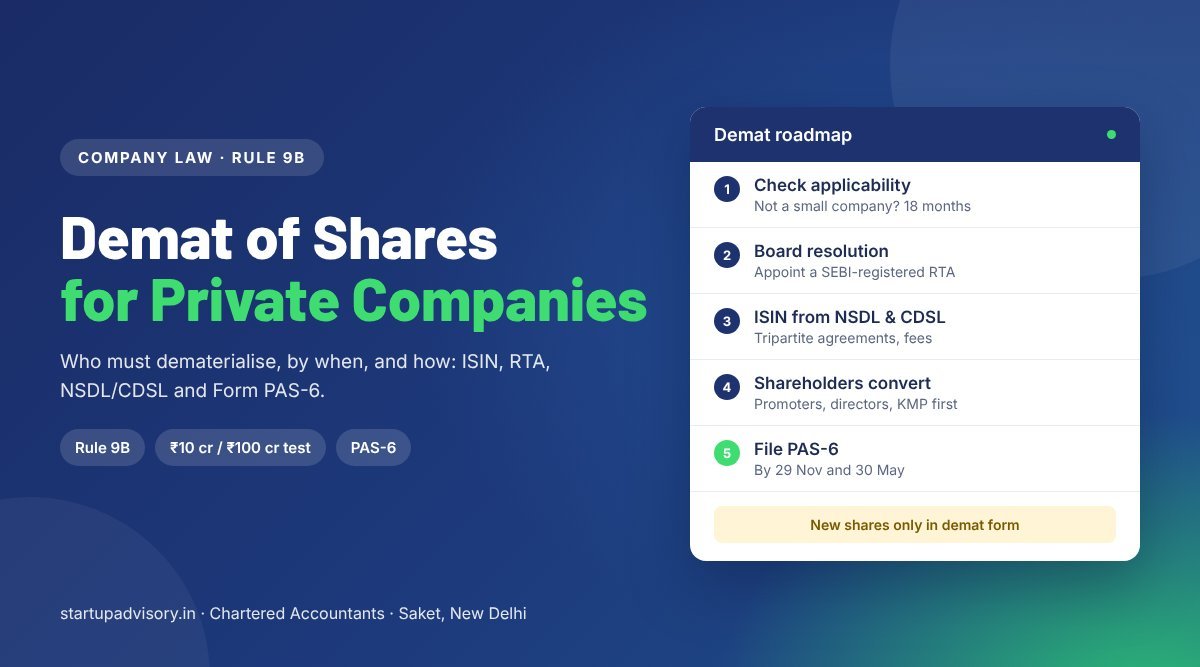
- Demat status. If the company is not a small company (or is a holding or subsidiary company), Rule 9B requires it to issue securities only in demat form once its compliance date has passed, and, before any offer, to make sure the entire holding of promoters, directors and KMP is dematerialised. Get the ISIN and RTA in place first. See our Rule 9B demat guide.
- Identified investors and KYC. Collect full name, address, PAN, email, bank account and, for companies, board resolutions and beneficial ownership. Check whether any investor, or its beneficial owner, is from a country sharing a land border with India: Rule 14(1) then bars the offer unless Government approval under the NDI Rules is obtained and attached to the offer letter.
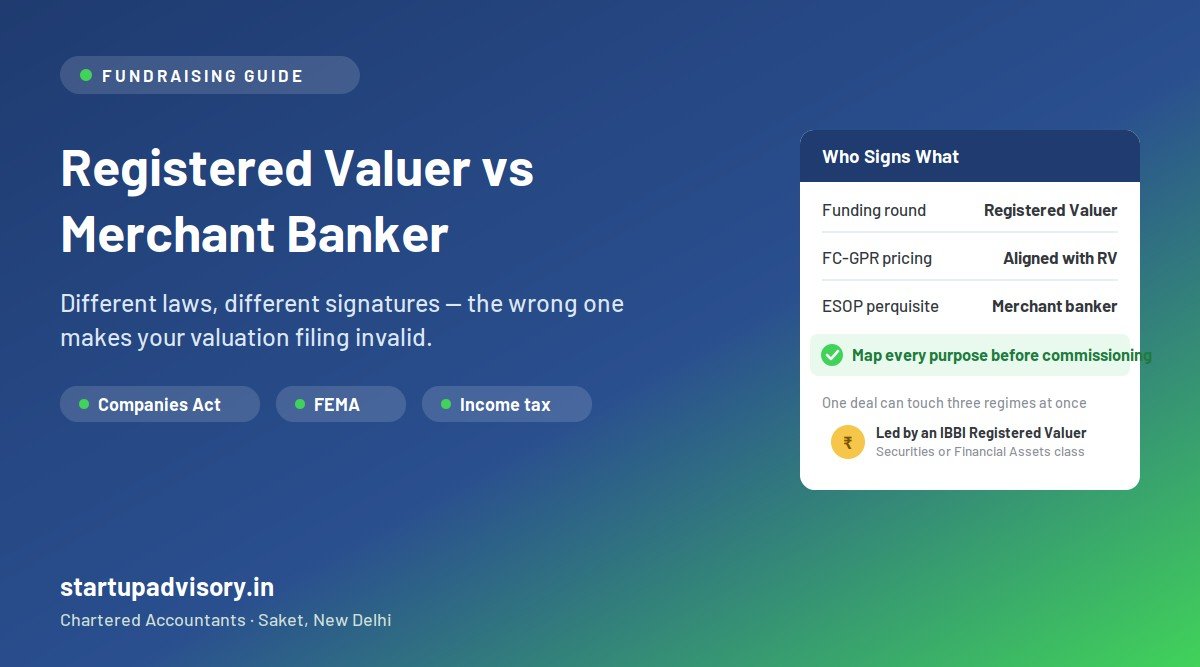
- Valuation. Appoint a registered valuer (securities or financial assets) for equity and convertibles. If any investor is non-resident, the FEMA valuation must be by a Chartered Accountant, SEBI-registered merchant banker or practising cost accountant, using an internationally accepted method. Plan one valuation that serves both. Our note on registered valuer vs merchant banker explains who signs what.
- Separate bank account. Open a separate account in a scheduled bank only for this issue’s application money (s.42(6) proviso). Do not use the operating account.
- Term sheet and SHA. Fix the instrument, price, conversion terms, investor rights and conditions precedent before you draft the resolution, because the explanatory statement must disclose them.
5. Documents checklist
| Stage | Document | Notes |
|---|---|---|
| Before the offer | Board resolution (first meeting) | Approve the issue, identify investors, fix the price, approve PAS-4 draft, call the EGM, open the bank account |
| Valuation report | Registered valuer (Companies Act) and, for non-residents, FEMA certificate not more than 90 days old on the date of investment | |
| EGM notice with explanatory statement (s.102) | Include every Rule 14(1) and Rule 13(2)(d) disclosure (see Step 3) | |
| Special resolution and MGT-14 | Filed with the ROC before PAS-4 is sent (Rule 14(8)) | |
| Offer | Form PAS-4 | Serially numbered, addressed to the named person, sent within 30 days of recording their name; no renunciation |
| Form PAS-5 | Record of every private placement offer made | |
| Application forms and investor KYC | Signed by the addressee only; any other applicant is invalid | |
| Money | Bank statement of the separate account | Shows each subscriber’s own bank account as the payer (Rule 14(5)) |
| FIRC / KYC from the AD bank | Only for foreign remittances | |
| Allotment and after | Board resolution for allotment | Within 60 days of receipt of money |
| Form PAS-3 with list of allottees | Within 15 days of allotment; list must show name, address, PAN, email, class, date, number, nominal value, amount paid | |
| Share certificates (SH-1) or demat credit | Within two months of allotment (s.56(4)(b)) | |
| Register of members / debenture holders | Updated on allotment | |
| Debenture trust deed, CHG-9, FC-GPR | Only where applicable |
6. Step-by-step procedure
- Board meeting 1: approve the proposal. At a meeting (not by circular, since Section 179(3)(c) powers to issue securities, including debentures, are exercised only at a board meeting), approve the issue, the kind and number of securities, the price on the basis of the valuation, the list of identified persons, the draft PAS-4, the separate bank account, and the notice of an extraordinary general meeting (EGM) with the explanatory statement. If authorised capital or the articles need to change, put those items on the same EGM.
- Get the valuation. The registered valuer’s report should be dated before the board meeting that fixes the price. Under Rule 13(3), the issue price cannot be lower than the price in that report.
- Draft the explanatory statement. Rule 14(1) requires: particulars of the offer including the date of the board resolution; kind of securities and price; basis or justification of the price, including premium; name and address of the valuer; amount to be raised; and material terms, proposed time schedule, objects, promoter or director contribution and principal terms of any assets charged. For shares and convertibles, add the Rule 13(2)(d) list: objects, total number of securities, price or price band, basis of price with the valuer’s report, relevant date, class of allottees, intention of promoters, directors and KMP to subscribe, proposed time for allotment, names of the proposed allottees and their post-issue percentage, any change in control, allotments already made in the year, justification for any non-cash consideration, and the pre and post-issue shareholding pattern.
- Hold the EGM and pass the special resolution. Rule 14(1) needs a special resolution for each offer. The exceptions: non-convertible debentures within the Section 180(1)(c) borrowing limit need only the board resolution; NCDs beyond it, and offers to QIBs, need one special resolution a year. A private company can hold the EGM at shorter notice with the consent required under Section 101.
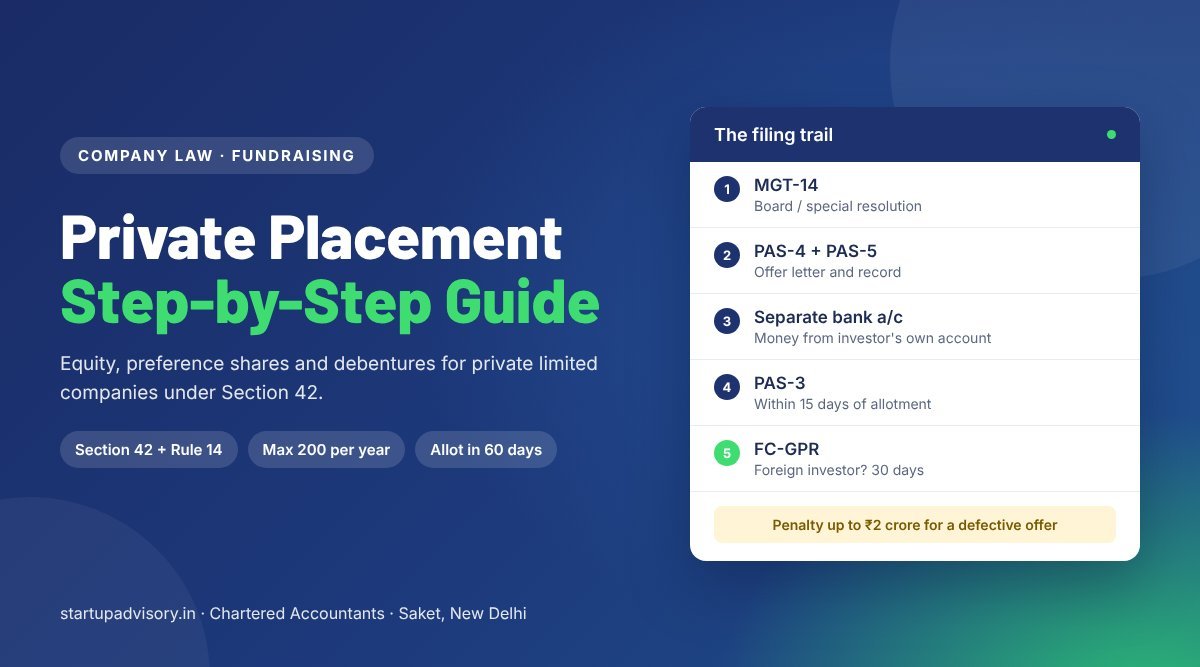
- File MGT-14 before the offer. Section 117 gives 30 days to file, but Rule 14(8) says the offer letter can be issued only after the special resolution or board resolution has been filed with the Registry, and private companies must file the Section 179(3)(c) board resolution too. In practice: file MGT-14 first, then send PAS-4.
- Record names and send Form PAS-4. Record the identified persons’ names and addresses, then send each one a serially numbered PAS-4 addressed to them, in writing or electronically, within 30 days of recording the name. The offer cannot be renounced, and an application from anyone other than the addressee is invalid. Enter each offer in Form PAS-5.
- Do not advertise. Section 42(7) bars public advertisements and the use of media, marketing or distribution channels or agents to tell the public about the issue.
- Receive the money correctly. Each investor applies with the subscription money by cheque, demand draft or other banking channel, never in cash (s.42(4)), from their own bank account (for joint holders, the first-named holder’s account) into the separate account (Rule 14(5)). Keep a record of the paying account. The money can be used only to adjust against allotment or to refund (s.42(6) proviso).
- Board meeting 2: allot within 60 days. Allot the securities within 60 days from receipt of the application money (s.42(6)). Rule 13 also requires a preferential allotment to be completed within 12 months of the special resolution; if that slips, a fresh special resolution is needed.
- File Form PAS-3 within 15 days. File the return of allotment with the list of allottees within 15 days of allotment (s.42(8); Rule 14(6)). Only after allotment and PAS-3 can the company transfer and use the money (s.42(4) proviso).
- Issue certificates or credit demat. Deliver share or debenture certificates, or credit the securities to the investors’ demat accounts, within two months of allotment (s.56(4)(b)), and pay stamp duty on the issue. Update the register of members or debenture holders.
- Complete instrument-specific and FEMA filings. Debenture trust deed, CHG-9 and DRR for secured debentures; FC-GPR for foreign investors; SH-7 if authorised capital changed. Then close or keep dormant the separate account once all money is adjusted or refunded.
One more rule on sequencing: under Section 42(5), the company cannot make a fresh private placement offer until allotments under the earlier offer are completed or that offer is withdrawn or abandoned. Within the 200-person limit, it may make more than one issue to such class of identified persons as may be prescribed.
7. Sample timeline
A typical equity round with Indian investors and shorter-notice EGM consent. Dates are illustrative.
| Day | Action | Legal outer limit |
|---|---|---|
| Day −10 | Valuation report received; term sheet signed | FEMA certificate: not more than 90 days old at investment |
| Day 0 | Board meeting 1; EGM notice sent | – |
| Day 1 | EGM at shorter notice; special resolution passed | – |
| Day 2–5 | MGT-14 filed; names recorded; PAS-4 sent; PAS-5 updated | MGT-14 within 30 days; PAS-4 within 30 days of recording names, and only after MGT-14 |
| Day 10 | Money received in separate account | – |
| Day 12 | Board meeting 2: allotment | 60 days from receipt; 12 months from special resolution |
| Day 15 | PAS-3 filed; money moved to operating account after filing | 15 days from allotment |
| Day 30–40 | Certificates or demat credit; FC-GPR if any foreign investor | 2 months from allotment (certificates); 30 days from allotment (FC-GPR) |
8. Extra steps for a foreign investor
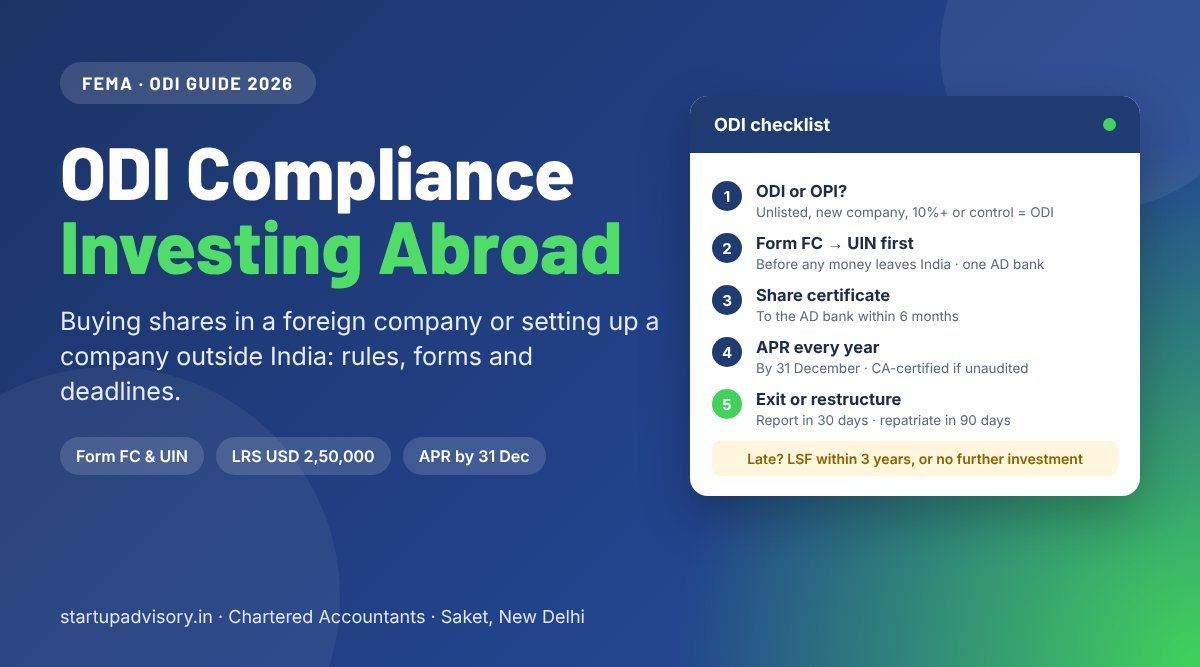
When any subscriber is a person resident outside India (a foreign company, an NRI on a repatriation basis, a foreign fund), FEMA applies on top of the Companies Act:
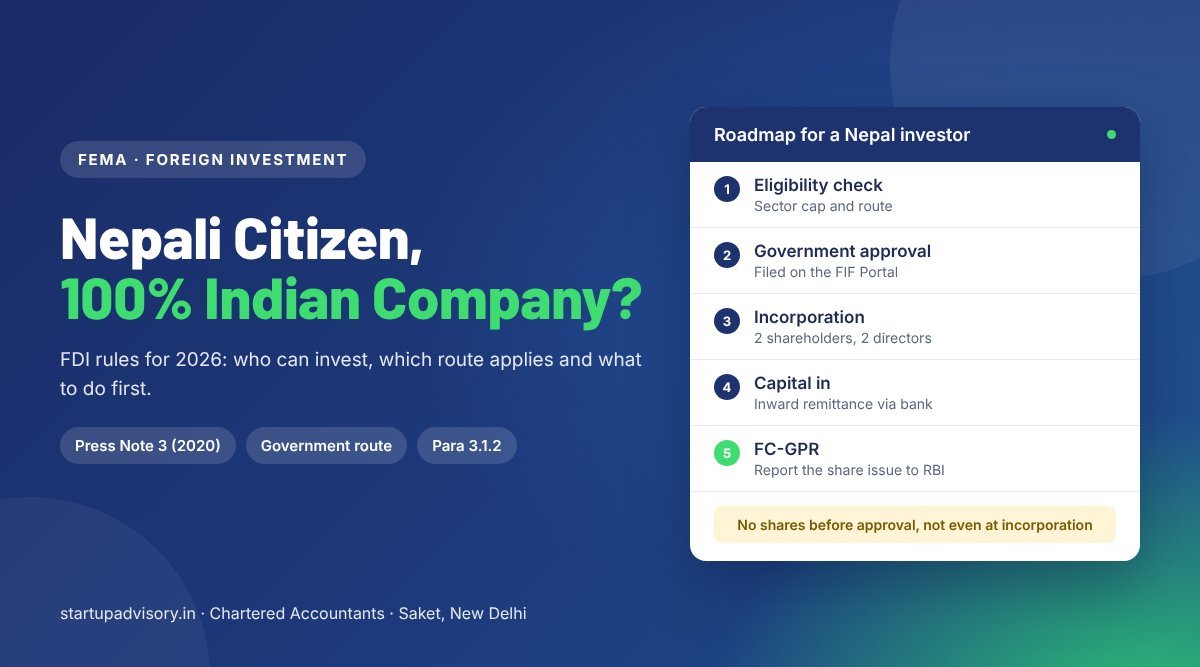
- Sector check: confirm the company’s activity is under the automatic route and within any sectoral cap. Investment from an entity or citizen of a country sharing a land border with India, or where the beneficial owner is from such a country, is allowed only under the Government route (Master Direction para 3.2), and Rule 14(1) of the PAS Rules bars the private placement offer itself until that approval is attached to the offer letter.
- Pricing: for an unlisted company, the issue price cannot be less than the fair value worked out by an internationally accepted pricing methodology on an arm’s length basis, certified by a Chartered Accountant, a SEBI-registered merchant banker or a practising cost accountant (para 8.1.1). The certificate must not be more than 90 days old on the date of investment (para 8.11). For CCPS and CCDs, the price or conversion formula must be fixed upfront (para 8.1.2).
- Issue within 60 days: equity instruments must be issued within 60 days of receiving the consideration, or the money refunded within 15 days after that (Annex 1, para 2.3). For partly paid shares, the 60 days run from each call payment (para 2.4).
- Reporting: report the issue to the RBI in Form FC-GPR on the FIRMS portal through the AD bank within 30 days of the issue, with the FIRC, KYC, valuation certificate and a company secretary’s compliance certificate. The forms and deadlines are set out in the RBI Master Direction on Reporting under FEMA. Late filing can be regularised only with a late submission fee.
The FEMA 60-day rule and the Companies Act 60-day rule run side by side, so a single allotment date usually satisfies both. Our guide to what investors check in a financial model covers the valuation side of a foreign round.
9. Post-allotment compliances
| Compliance | Due | Law |
|---|---|---|
| Return of allotment, Form PAS-3 | 15 days from allotment | s.42(8); Rule 14(6) |
| Share or debenture certificates / demat credit | 2 months from allotment | s.56(4)(b); Rule 9B |
| Form SH-7 for increase in authorised capital | 30 days from the resolution | s.64(1) |
| Charge for secured debentures (CHG-9) | 30 days from creation | s.77(1) |
| Debenture trust deed | 60 days from allotment | Rule 18(1)(c) |
| Debenture redemption reserve and 15% investment | DRR from profits; investment by 30 April each year | s.71(4); Rule 18(7) |
| Form FC-GPR | 30 days from issue | FEMA (NDI Rules); RBI Master Direction on Reporting |
| Disclosure in the Board’s report, annual return (MGT-7) and financial statements | Year-end filings | s.92, s.134, Schedule III |
| Half-yearly PAS-6 (reconciliation of share capital audit) | If the company is covered by Rule 9B | Rule 9B(5) read with Rule 9A |
10. Points to keep in mind
- Count heads by kind of security. The 200 limit is per financial year and per kind (equity, preference, debentures), excluding QIBs and ESOP employees. Every person who receives a PAS-4 counts, whether or not they invest.
- One special resolution, one offer. A blanket “enabling” resolution for several future rounds does not work, except for NCDs above the borrowing limit and QIB offers, where one resolution a year is enough.
- No money from third parties. A founder paying for a relative, a group company paying for a director, or a cash deposit into the account all break Rule 14(5) and Section 42(4).
- Do not spend the money early. Until allotment and PAS-3 filing, the money stays in the separate account. Paying salaries or vendors from it is a contravention of Section 42.
- Partly paid shares are allowed. The old Rule 13 condition that preferential shares be fully paid on allotment was omitted in 2016. Preference shares must still be fully paid before redemption.
- Non-cash consideration. Shares can be issued for assets, IP or services under Section 62(1)(c), but the consideration must be valued by a registered valuer, justified in the explanatory statement and accounted for under Rule 13(2)(j). Rule 14(5) on paying from the investor’s bank account does not apply.
- Debenture trustee. Secured debentures need a debenture trustee appointed before the offer letter, with written consent, and a trust deed within 60 days of allotment (Rule 18). For unsecured debentures, Section 71(5) requires a trustee only where the offer is to the public or to more than 500 members.
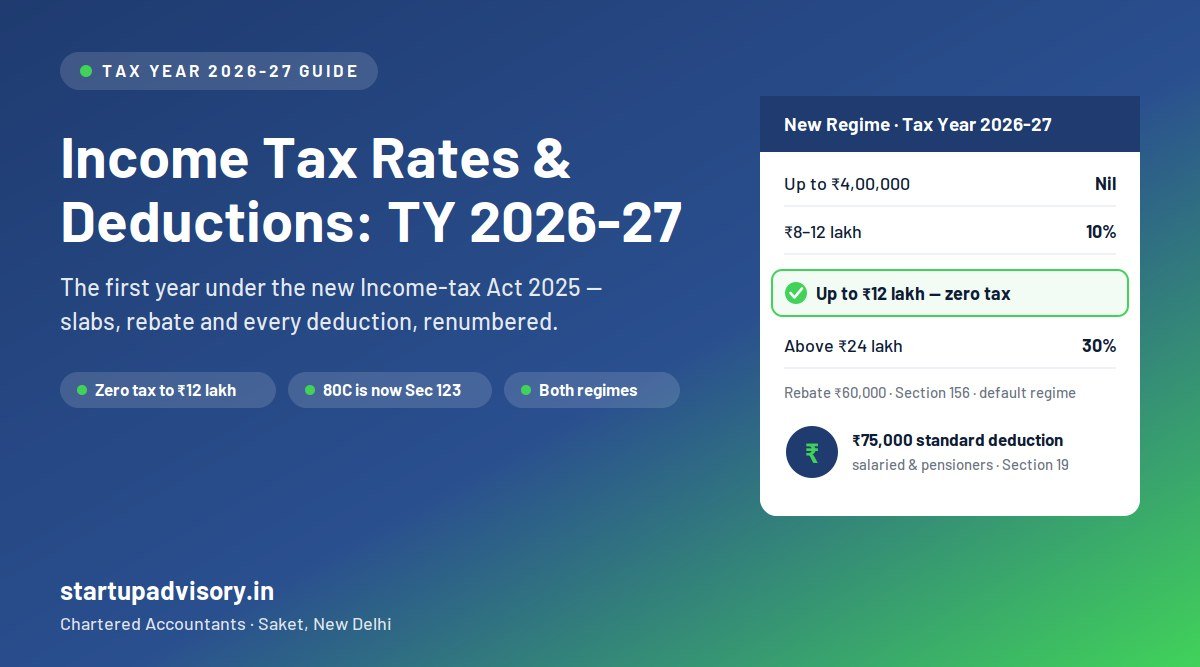
- Income tax. The angel tax under Section 56(2)(viib) of the 1961 Act was abolished from FY 2025-26 (see our angel tax note), but the Companies Act and FEMA valuations remain mandatory.
- Keep minutes and evidence. ROC scrutiny of PAS-3 and investor due diligence both ask for the valuation, explanatory statement, PAS-4 serial numbers, PAS-5, bank statements and minutes. File them together.
11. Penalties for getting it wrong
| Default | Consequence | Law |
|---|---|---|
| Offer or acceptance of money in contravention of Section 42 | Penalty on the company, its promoters and directors up to the amount raised or ₹2 crore, whichever is lower; refund of all money with 12% interest within 30 days of the order | s.42(10) |
| Offer to more than 200 persons (s.42(2) breached) | Deemed public offer; all provisions of the Act, SCRA and SEBI Act apply | s.42(11); Explanation III |
| Late PAS-3 | Company, promoters and directors: ₹1,000 a day, up to ₹25 lakh | s.42(9) |
| Allotment not made and money not refunded in time | Interest at 12% a year from the 60th day; money treated as a deposit | s.42(6); Deposit Rules, Rule 2(1)(c)(vii) |
| Late MGT-14 | Company: ₹10,000 plus ₹100 a day, up to ₹2 lakh. Each officer in default: ₹10,000 plus ₹100 a day, up to ₹50,000 | s.117(2) |
| Late SH-7 | ₹500 a day, up to ₹5 lakh for the company and ₹1 lakh for each officer in default | s.64(2) |
| Late FC-GPR or issue beyond 60 days | Late submission fee or compounding under FEMA | NDI Rules; RBI Master Direction |
Small companies and start-ups get half penalties under Section 446B in some cases, but a contravention of Section 42 can still end with a refund order, which is the real cost for a startup that has already spent the money.
12. Common mistakes we see
- Sending PAS-4 the day after the EGM, before MGT-14 is filed.
- Collecting money into the operating account, or using it before PAS-3.
- A valuation report dated after the board meeting that fixed the price, or older than 90 days for a foreign investor.
- Forgetting that a SAFE-style advance or a “share application money” transfer before any offer is not a valid private placement, and the money can be treated as a deposit.
- CCPS or CCD terms in the SHA that do not match the resolution and PAS-4.
- Missing the Rule 9B demat requirement for promoters before the offer, which some ROC offices and investors now check.
What we recommend
- Fix the term sheet, the valuation and the cap table first, then draft the resolution from them, not the other way round.
- Keep a single closing checklist with the legal outer dates (MGT-14 before PAS-4, 60 days to allot, 15 days to PAS-3, 30 days to FC-GPR) and one person who owns it.
- If the round has a foreign investor, line up the AD bank and the FEMA valuation before the money is wired.
- Companies Act, 2013: Sections 2(68), 42, 55, 56(4), 61, 62(1)(c), 64, 71, 77, 117 and 179(3)(c), read on the MCA Acts e-book, mca.gov.in, on 13 November 2026
- Companies (Prospectus and Allotment of Securities) Rules, 2014: Rule 14 (as substituted by the Second Amendment Rules, 2018 of 7 August 2018, and amended in 2020 and 2022) and Rule 9B
- Companies (Share Capital and Debentures) Rules, 2014: Rules 9, 13 and 18
- Companies (Acceptance of Deposits) Rules, 2014: Rule 2(1)(c)(vii) and its Explanation
- All rules read on the MCA Rules e-book, mca.gov.in, on 13 November 2026
- RBI Master Direction – Foreign Investment in India (updated up to 15 June 2026): paras 3.2, 8.1.1, 8.1.2 and 8.11, and Annex 1 paras 2.3 and 2.4, rbi.org.in
- Foreign Exchange Management (Non-debt Instruments) Rules, 2019 and the RBI Master Direction on Reporting under FEMA (Form FC-GPR)
This article is general information, not legal advice. It reflects the Companies Act, 2013, the rules listed above and the RBI Master Direction as checked on 13 November 2026. Sector rules (NBFCs, housing finance companies, listed companies) and investor-specific terms can change the procedure. Confirm your facts with a qualified professional before you issue securities.
How Startup Advisory Can Help
Startup Advisory is a CA-led firm in Saket, New Delhi that runs private placements end to end for startups and private limited companies across Delhi NCR:
- Round structuring: equity, CCPS, CCDs or NCDs, cap table and authorised capital planning.
- Valuation: registered valuer reports and FEMA pricing certificates aligned to one number.
- Secretarial work: board and EGM papers, explanatory statement, MGT-14, PAS-4, PAS-5, PAS-3, SH-7 and share certificates, plus Rule 9B demat.
- Foreign investment: AD bank coordination and FC-GPR filing on FIRMS.
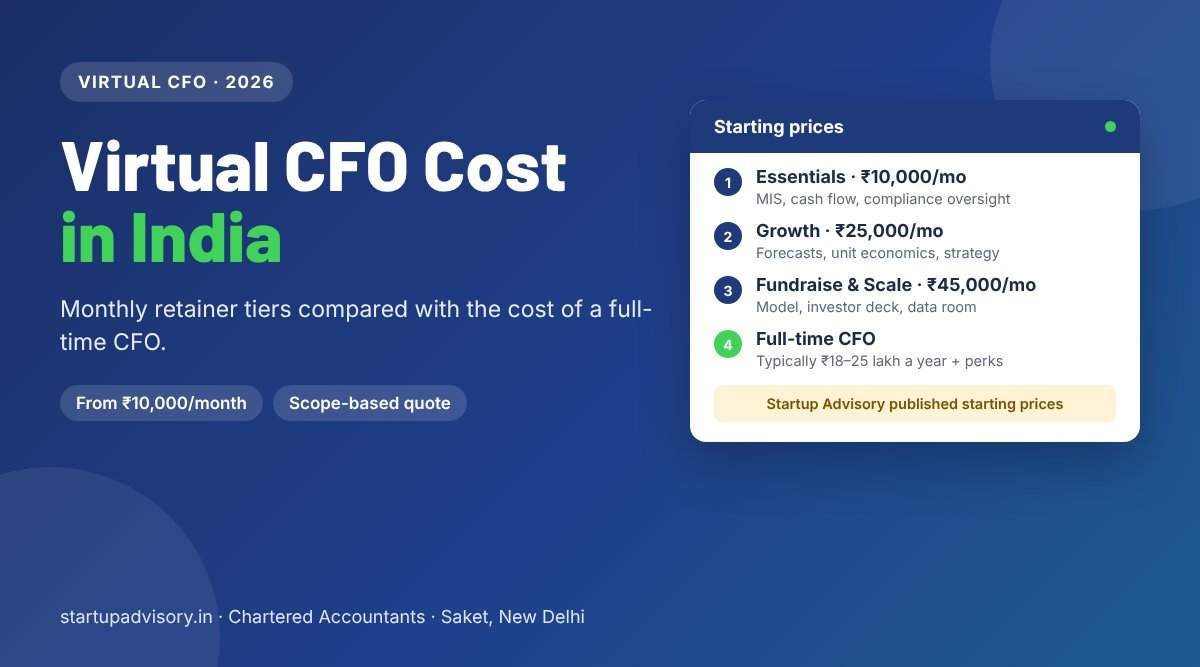
- Fundraising support: data room and virtual CFO fundraising preparation.
Call 9311972982 or book a free consultation.